


Reproductive experiences, relationships & everyday life
Reproductive & Perinatal Mental Health Therapy in Pittsburgh & across Pennsylvania
Space for what you are experiencing around fertility, pregnancy, birth, loss, and becoming a parent.
Explore Reproductive Mental Health ResourcesMore about this support
Forward Wellness offers therapy for people navigating reproductive decisions, infertility, pregnancy, postpartum changes, abortion, birth trauma, and pregnancy or infant loss. We welcome people of all genders, including partners and people whose experiences do not lead to parenthood.
You do not need a diagnosis before reaching out.
Online across Pennsylvania, with in-person options
in Pittsburgh and Indiana, PA.
All intakes are currently virtual. Availability varies
by clinician and location.
Your experiences have a context
There is more to this experience than how you are coping.
You may be moving through something you hoped for, something you did not choose, or an experience that has changed what you imagined for your life. Your feelings may also be different from what the people around you expect.
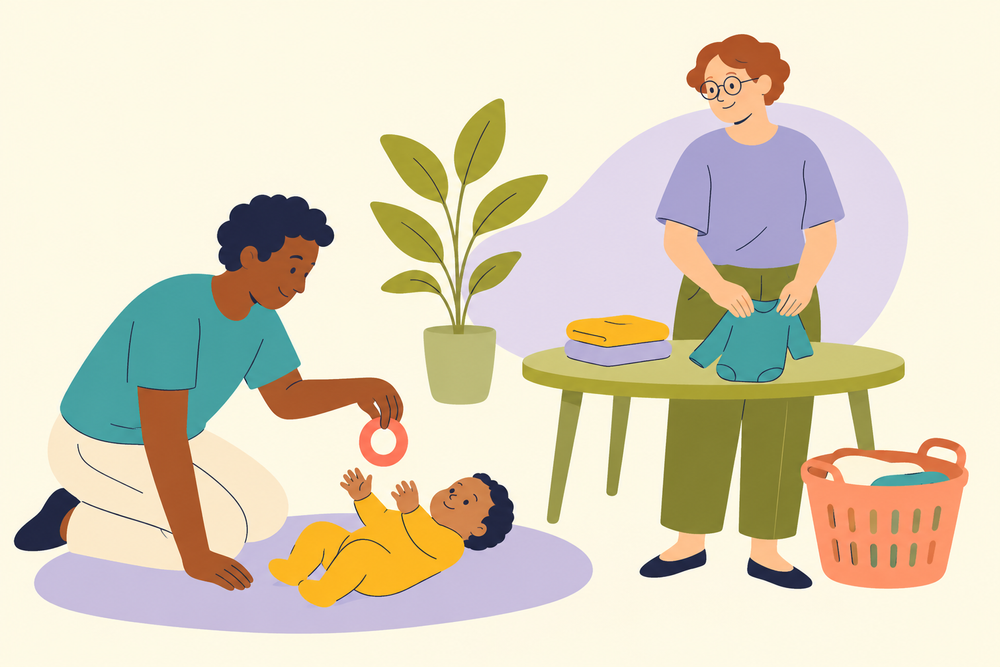
What this experience means to you
Your relationship with your body, your hopes about family, previous losses, and experiences with health care can shape what you are carrying now. You might feel grief, relief, fear, tenderness, anger, or several feelings at once. There is room to talk about what feels difficult to explain.
What everyday life asks of you
Time away from work, treatment costs, disrupted sleep, caregiving, and access to support can affect what is manageable. Racism, disability, gender expectations, and whether your family is recognized or respected may also shape your experience.
Together, we can explore what you need emotionally, what support is available, and which expectations or arrangements may need to change.
What reproductive and perinatal therapy can support
Six areas of support. Explore what feels relevant to you.
Care that makes room for your experience and your choices.
People arrive with different relationships to pregnancy, parenting, and family. Some want to become parents. Some are unsure, have decided otherwise, or are living with a loss or outcome they did not choose.
Your priorities guide the work. You can bring feelings that are difficult to share, questions without clear answers, and concerns that reach beyond your reproductive experiences.
Fertility, family building & reproductive decisions
More about this support
Pregnancy, anxiety & changing expectations
More about this support
Challenging or traumatic childbirth
More about this support
Postpartum depression, anxiety & OCD
More about this support
Pregnancy loss, infant loss & grief
More about this support
Relationships, identity & life as a parent
More about this support
Our approach
How we work with you
We begin with what you want support with and get to know the circumstances around your experience.
Your feelings, choices, and needs belong in the conversation.
Start with what matters now
You can bring a specific concern, something that happened recently, or an experience from years ago that still affects you. Together, we identify what you would like from therapy.
Respect your language and decisions
We work to use the names and language you share for your body, relationships, and family. Your decisions about pregnancy, treatment, parenting, and what you disclose remain yours.
Understand your experience in context
We consider thoughts and feelings alongside relationships, culture, health care experiences, work, money, and access to support. We can explore both how you are managing and what is being asked of you.
Make room for feedback and changing needs
You can ask to slow down, clarify a question, correct an assumption, or say that something is not helping. The direction and pace of therapy can change as your circumstances change.
People you can work with
Meet clinicians who offer reproductive and perinatal support
You may want someone who understands fertility, pregnancy, postpartum changes, loss, relationships, or a particular part of your experience. Explore their approaches and share what matters to you when requesting an appointment.
Swipe, scroll, or use the arrows to meet the clinicians.

Colleen Kilbane
Therapist Intern
Reproductive experiences, identity & grief
More about her support

Cheryl Lewis
Clinical Therapist
Reproductive mental health, relationships & loss
More about her support

Jessica McConnell
Clinical Therapist
Pregnancy loss, postpartum changes & identity
More about her support

LaToya Hamm Wilson
Clinical Therapist; Owner, Motherhood Redefined
Motherhood, reproductive experiences & expectations
More about her support

Maria Brown
Clinical Therapist
Reproductive trauma, NICU experiences & grief
More about her support

Tracy J. Stone
Clinical Therapist
Reproductive experiences, trauma & loss
More about her support

Katie Shaw
Clinical Therapist
Family building, reproductive loss & life changes
More about her support

Katie Ashman
Clinical Therapist
Reproductive experiences, grief & self-understanding
More about her support
A first step
Starting reproductive or perinatal therapy
Complete our appointment request form and share what you would like support with. You can include preferences about your clinician, scheduling, and appointment location, along with anything you would like us to understand about your circumstances.
You can begin with what feels hardest to carry right now.
Schedule an AppointmentAll intakes are currently virtual.
In-person options and locations
Have a question before completing the form?
Questions about reproductive and perinatal therapy
What does reproductive mental health include?
Reproductive mental health includes emotional and relationship concerns connected with fertility, reproductive decisions, pregnancy, birth, postpartum experiences, and loss.
Perinatal mental health focuses on the period during pregnancy and after birth. Your concerns may involve anxiety, depression, OCD, trauma, grief, identity, or changes in everyday life.
Do I need a diagnosis before contacting you?
No. You can reach out because something feels difficult, unfamiliar, or hard to manage. You do not need to know what to call it before asking for support. An initial conversation can help clarify your concerns and the care that may fit.
Can I come if I am not pregnant or my experience happened years ago?
Yes. Support can include infertility, abortion, reproductive loss, and the lasting effects of an earlier birth or health care experience. Tell us what continues to affect you and what you would like to explore.
Do you support LGBTQIA+ people and different kinds of families?
Yes. Forward Wellness’s reproductive mental health work includes queer family building and support for people of different genders and family structures. Let us know what you want your clinician to understand about your identity, relationships, culture, or route to parenthood.
Explore LGBTQIA+ & Gender-Affirming CareCan a partner seek support or attend therapy with me?
Partners can seek support for their own experiences of pregnancy, birth, loss, and parenting. Selected clinicians also offer couples and adult family therapy. Let us know whether you are looking for individual or joint sessions so we can discuss the available options.
Our family therapy service is for adults. Babies in arms are welcome.
Learn About Couples & Family TherapyCan I talk about frightening or unwanted thoughts?
Yes. Unwanted intrusive thoughts can be distressing. Having an unwanted thought is different from wanting to act on it. A clinician can help you understand what is happening, assess your needs, and discuss appropriate care.
If you feel you may act on thoughts of harming yourself or someone else, seek urgent help.
Learn About Perinatal OCDDoes this include medication or medical care?
This page describes counseling and mental health support. Questions about medication, fertility treatment, pregnancy care, or physical recovery should be discussed with an appropriate medical professional.
Therapy can help you prepare questions and explore the feelings and decisions surrounding that care.
Can I access therapy online outside Pittsburgh?
Online therapy is available across Pennsylvania. Share where you will be attending sessions and your scheduling preferences when requesting care. All intakes are currently virtual; ongoing appointment options vary by clinician and location.
What does therapy cost, and do you accept insurance?
Fees and insurance participation vary by clinician. Depending on the clinician and specific plan, accepted insurance includes:
- UPMC Commercial
- Highmark Blue Cross Blue Shield Commercial
- Cigna
- Aetna
- UnitedHealthcare/Optum
Selected clinicians accept Medical Assistance through CCBH for Allegheny County. Ask about self-pay fees and any available reduced-fee options.
Please confirm your specific plan, clinician’s participation, and expected costs before scheduling.
Care and community
Support beyond the therapy room
Support might also come through a friend who brings a meal, a partner sharing overnight care, a doula, a peer group, or people who understand a loss that others struggle to acknowledge.
You may need practical help, reliable information, or somewhere to speak honestly about your experience. Therapy can be one part of that wider network.
Visit each organization’s website for current programs, eligibility, and ways to connect.
Information, connection & practical support
Reproductive mental health resources
You might be looking for information about what you are experiencing, support after a loss, perspectives from other parents, or help preparing for conversations about your care.
These resources offer different starting points. Services, eligibility, fees, and availability may change. Contact each organization directly for current information.
Choose a category to explore its resources.