

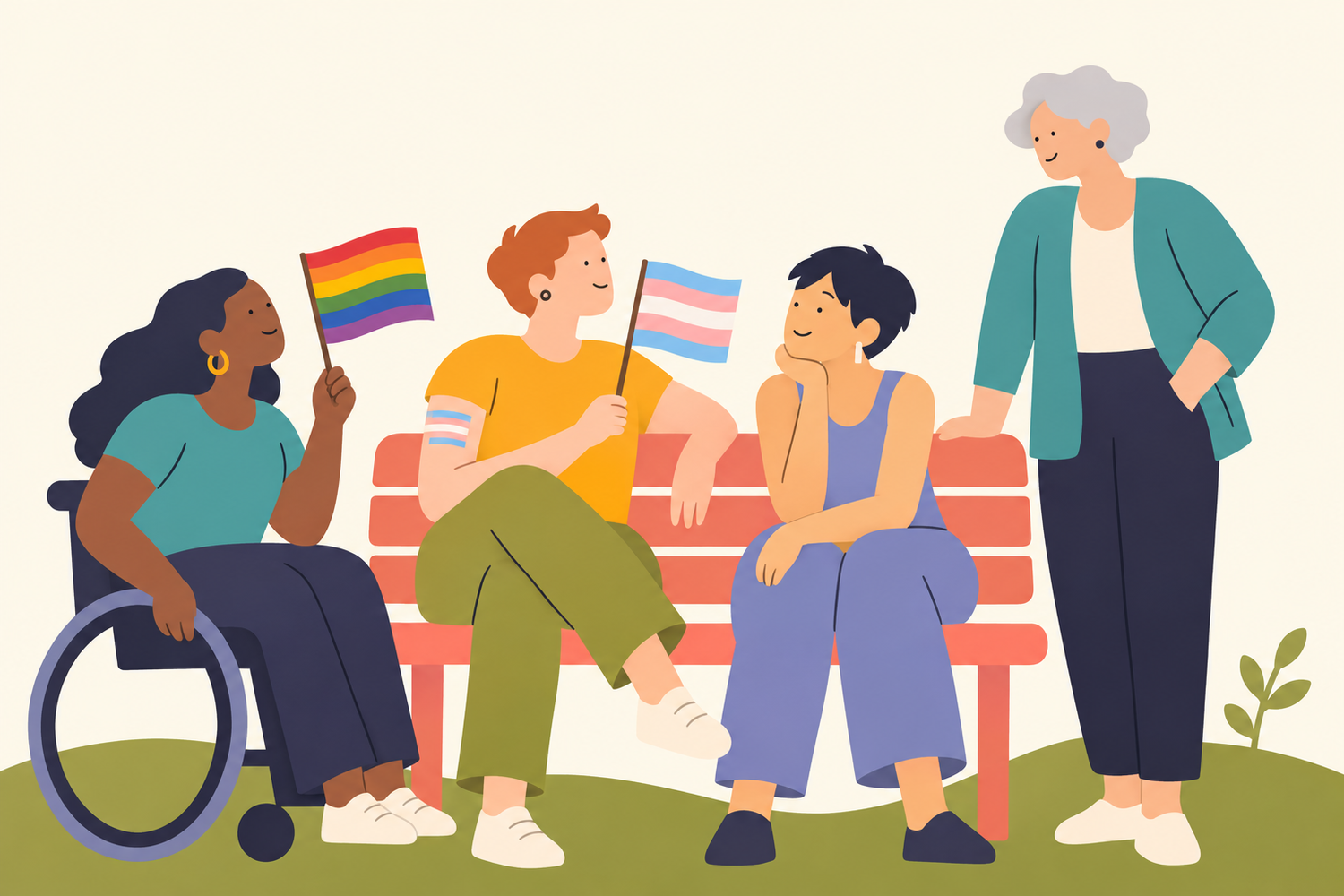
Identity, belonging & everyday life
LGBTQIA+ & Gender-Affirming Therapy in Pittsburgh & across Pennsylvania
Space for who you are, the people in your life, and what you want support with.
Explore LGBTQIA+ & Gender-Affirming ResourcesMore about this support
Forward Wellness offers affirming therapy for LGBTQIA+ people, including people exploring their sexuality or gender. Bring questions about identity, relationship concerns, anxiety, grief, or whatever is taking up space in your life.
Online across Pennsylvania, with in-person options
in Pittsburgh and Indiana, PA.
All intakes are currently virtual. Availability varies
by clinician and location.
Your experiences have a context
There is more to your story than an identity or a diagnosis.
You might feel certain about who you are and want support with something else. You might be finding language for experiences you have carried for years. Both belong here.
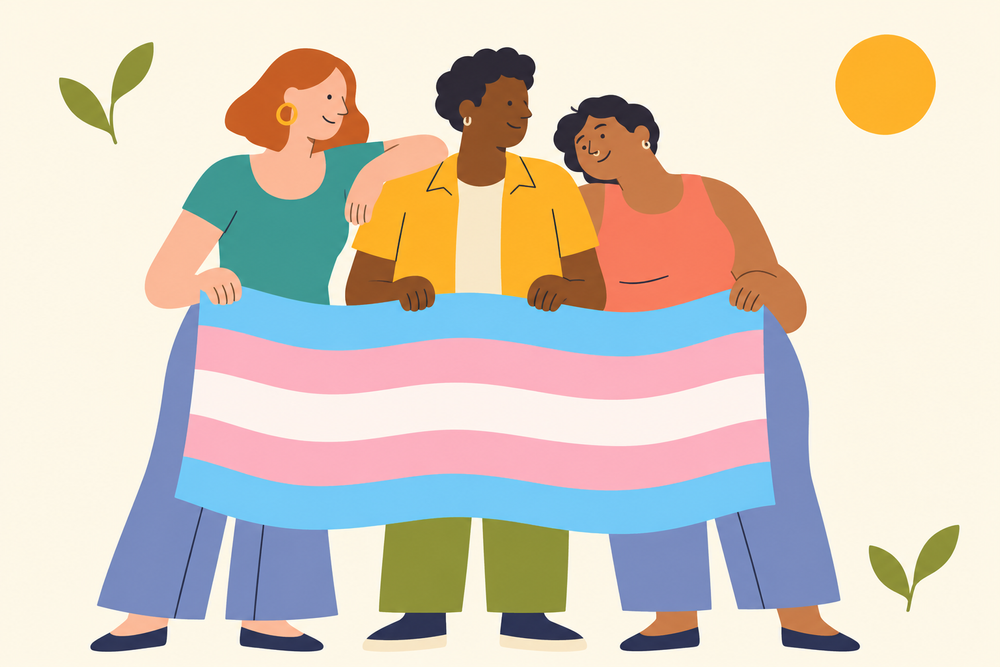
How you understand yourself
Your relationship with gender, sexuality, your body, and the people around you may hold questions, confidence, joy, uncertainty, or several feelings at once. You can explore what matters without having to arrive with a settled explanation.
What everyday life asks of you
Family expectations, cultural belonging, faith, racism, disability, work, and access to care can shape your experience. Relationships and communities may offer support while also bringing tensions that are difficult to name.
Together, we can explore what you are carrying, what helps you feel connected, and what support could look like in your actual life.
What LGBTQIA+ and gender-affirming therapy can support
Six areas of support. Explore what feels relevant to you.
Affirming care that centers LGBTQIA+ lives.
Affirming care respects your gender, sexuality, relationships, and right to make choices about your life. Centering LGBTQIA+ experiences means bringing attention to the communities, cultures, and conditions that shape those choices, including where you find support and where you encounter barriers.
Your priorities guide the work. You can focus on identity, everyday concerns, or the ways they connect.
Sexuality, identity & self-understanding
More about this support
Gender exploration & your relationship with your body
More about this support
Coming out, privacy & belonging
More about this support
Anxiety, trauma, grief & everyday stress
More about this support
Relationships, family & chosen family
More about this support
Neurodivergence & intersecting experiences
More about this support
Our approach
How we work with you
We begin with what you want support with and get to know the circumstances around it.
Your understanding of yourself matters.
Start with your priorities
You can bring a specific concern, a question, or a sense that something needs attention. Together, we identify what you would like from therapy.
Respect your language and choices
We work to use the names, pronouns, and language you share with us. Your decisions about identity, relationships, disclosure, and transition remain yours.
Understand your experiences in context
We consider relationships, culture, community, and the conditions of everyday life alongside your thoughts and feelings. These can help us understand how familiar patterns developed and what change might require.
Make room for feedback
You can ask questions, correct an assumption, or say when something is not helping. Your feedback helps shape the direction and pace of our work.
People you can work with
Meet clinicians who offer LGBTQIA+ and gender-affirming support
You may want a therapist who understands neurodivergence, reproductive experiences, trauma, or a particular question about identity. Explore their approaches and share what matters to you when requesting an appointment.
Swipe or scroll to meet the clinicians


Gretchen Bateman
Identity, neurodivergence & life changes
More about her support

Colleen Kilbane
Identity, reproductive experiences & grief
More about her support

A first step
Starting LGBTQIA+ affirming therapy
Complete our appointment request form and share what you would like support with. You can include preferences about your clinician, scheduling, and appointment location, along with anything you would like us to understand when considering a match.
You can begin with the words you have.
Schedule an AppointmentAll intakes are currently virtual.
In-person options and locations
Have a question before completing the form?
Questions about LGBTQIA+ and gender-affirming therapy
What does LGBTQIA+ affirming therapy mean?
It means working with a therapist who respects your sexuality, gender, and relationships, and considers how these intersect with the rest of your life.
At Forward Wellness, your identity is respected as part of who you are. The work focuses on the concerns and goals you bring.
Do I need to be certain about my sexuality or gender?
No. You can come to therapy while questioning, exploring, or deciding whether particular language fits. You can also seek support when you feel clear about your identity.
There is no expectation that you arrive at a particular label or decision.
Can I come for something unrelated to being LGBTQIA+?
Yes. You may want help with anxiety, grief, work stress, trauma, relationships, or another concern.
Your therapist can respect your identity while following the focus that matters to you.
Is this the same as medical gender-affirming care?
This page describes counseling and mental health support. Hormone treatment and surgery are provided by medical professionals.
Our therapists can support conversations about your experiences and goals, and help you explore relevant resources or care coordination where appropriate.
Can you help with a letter for gender-affirming medical care?
Selected clinicians offer support with referral letters for gender-affirming medical care.
When contacting us, explain what documentation you have been asked for and any relevant deadlines. We can discuss clinician availability, the process, and fees before arranging an appointment.
Do you work with LGBTQIA+ couples and families?
Yes. Selected clinicians offer couples and adult family therapy. This can include communication, intimacy, boundaries, gender-related changes, and family relationships.
Selected clinicians also work with polyamorous, consensually non-monogamous, and kink communities.
Our family therapy service is for adults. Babies in arms are welcome.
Learn About Couples & Family TherapyCan I access therapy online outside Pittsburgh?
Online therapy is available across Pennsylvania, including for people who do not live near our offices.
Let us know where you will be attending sessions and your scheduling preferences so we can consider an appropriate clinician.
What does therapy cost, and do you accept insurance?
Fees and insurance participation vary by clinician. Depending on the clinician and specific plan, accepted insurance includes:
- UPMC Commercial
- Highmark Blue Cross Blue Shield Commercial
- Cigna/Evernorth
- Aetna
- UnitedHealthcare/Optum
Selected clinicians accept Medical Assistance through CCBH for Allegheny County only. Self-pay and sliding-scale options also vary.
Please confirm your specific plan, clinician’s participation, and expected costs before scheduling.
Care and community
Support beyond the therapy room
Connection might also come through friends, chosen family, peer support, cultural spaces, or community organizations. Therapy can be one part of that wider network.
These organizations offer information about their own support and resources:
Visit each organization’s website for current programs and ways to connect.
Care, connection & practical support
LGBTQIA+ and gender-affirming resources
The support you need may include medical care, community connection, housing resources, information about your rights, or somewhere to begin asking questions.
These organizations offer different kinds of support in Pittsburgh, across Pennsylvania, and online. Explore the categories below to find what feels relevant to you.
Services, eligibility, costs, and availability can change. Please contact each organization directly for current information.
Choose a category to explore its resources.