

Clinical Therapist
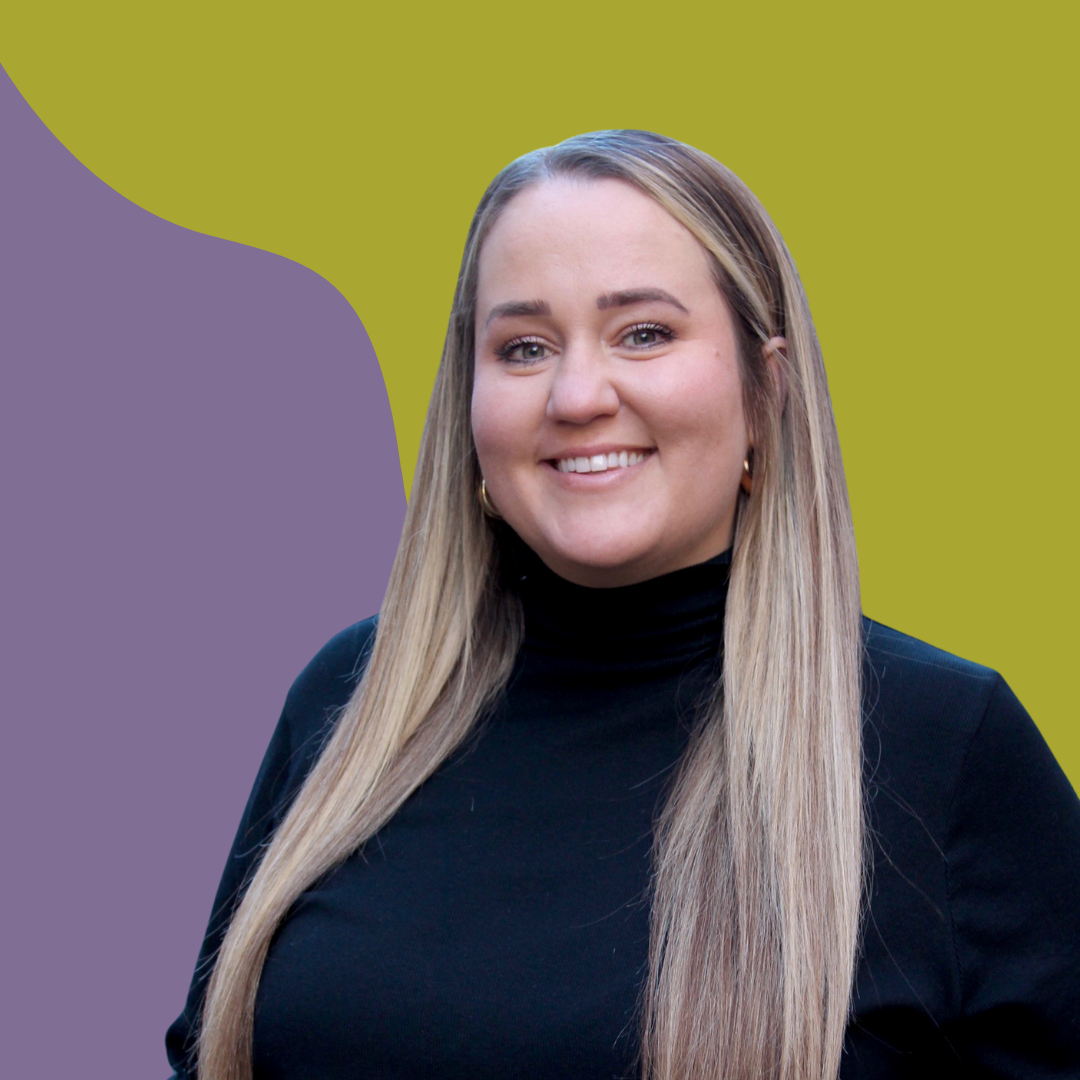
Samantha Rich, LPC
she/her
Cognitive Behavioral Therapies (CBT), including process-based, and strengths-based, and Imago and Gottman informed interventions.
Available intakes likely within 2 weeks (Weekday Availability)

Telehealth

Aetna, Cigna, United/UBH, Highmark BCBS Commercial, UPMC Commercial

$115-150

My Specialties
Neurodivergent Support

LGBTQIA+
Couples and Partners
Relationships and Sex (poly; kink; non-traditional relationship communities)
Trauma
Adjustment, Stress and Transitions
Anxiety and Mood Symptoms
BIPOC/People of the Global Majority
A little more about me
Some fun facts Travel, a good book and a few favorite shows. Get to know me A little less
I’m originally from Utah and moved to Pennsylvania for graduate school. I love traveling and am working towards visiting all 50 states. Away from work, I’m often reading or watching one of my favorite shows.
What working with me is like An active, conversational space built around your goals. Explore my approach A little less
I ask questions, join the conversation and work with you to understand what you want from therapy. You do not need to arrive knowing where to begin. Once we understand your goals, I can offer a few directions to explore. In couples work, I take a compassionate, directive approach to communication, empathy and rebuilding trust. In individual sessions, we make space for emotions, coping skills and the goals we set together.
What matters to me Your experience and your choices guide our work. Read my story A little less
Before becoming a therapist, I taught eighth grade. Understanding what students were carrying outside the classroom drew me towards work focused on their wider lives and relationships. I am an LGBTQIA+ affirming therapist and continue to examine my own assumptions through learning and reflection. I will ask what matters to you rather than assume what you want to change.
Open a card to read more, at your own pace.

"One must champion oneself and say 'I am ready for this"
--MOIRA ROSE The person behind the practice
Samantha, in her own words.
A few reflections on what brings me to this work and how I show up in therapy.
From the classroom to the therapy room
“I wanted to focus more on the stuff outside the classroom”
Samantha Rich, LPC (she/her)
Read my reflection Close reflection
What originally drew you toward becoming a therapist?
One, I was an 8th grade teacher prior to becoming a therapist. I found that I was overcome with empathy on the daily. It became difficult for me to give students 0's or low scores because I understood everything else that was happening outside of the classroom. I ultimately stopped being a teacher because I wanted to focus more on the stuff outside the classroom (instead of focusing on grammar and grading). That brought me to being a couples therapist, as well. I started to realize how many adults can change the way they speak to their partners and the positive domino effect it has on the people and children around them. The other driving force is that I had a negative experience with a therapist. So I wanted to become a therapist who did better than she did.
Finding moments of rest
“I will always remind any client to pause, slow down, and find moments of rest.”
Samantha Rich, LPC (she/her)
Read my reflection Close reflection
What might someone be carrying when they first come to you, even if they do not yet have the words for it?
I think that we live in a society that expects a lot of people. I will always remind any client to pause, slow down, and find moments of rest. I think EVERYONE benefits from conversations about self-care and an exploration into ways to show up for yourself.
You don’t need to know where to begin
“I participate, I ask a lot of questions, and I am very conversational.”
Samantha Rich, LPC (she/her)
Read my reflection Close reflection
What do you do when someone does not know where to begin or what to say?
I am a very present therapist in sessions. I participate, I ask a lot of questions, and I am very conversational. When someone doesn't know where to begin or what to say, I do a couple different things - I am typically very transparent about asking clients where they want to go, what their goals for therapy are, and what brought them to therapy in the first place. Once I understand that as a therapist, I am pretty good at giving a menu of options of topics to explore. I am curious and people tend to respond well to that.
Asking rather than assuming
“I collaborate with the person sitting in front of me and honor their experience and self-expertise.”
Samantha Rich, LPC (she/her)
Read my reflection Close reflection
How do you adapt therapy to the person in front of you instead of expecting them to fit a particular model?
I am transparent in my sessions about what certain modalities are hoping to accomplish. If someone brings up a particular challenge, I never assume what they want to do with that challenge.. so I ask. What one person may want to work on or change about themselves, another person may love and honor that same thing about themselves. So I never assume. I collaborate with the person sitting in front of me and honor their experience and self-expertise.