

Therapist Intern
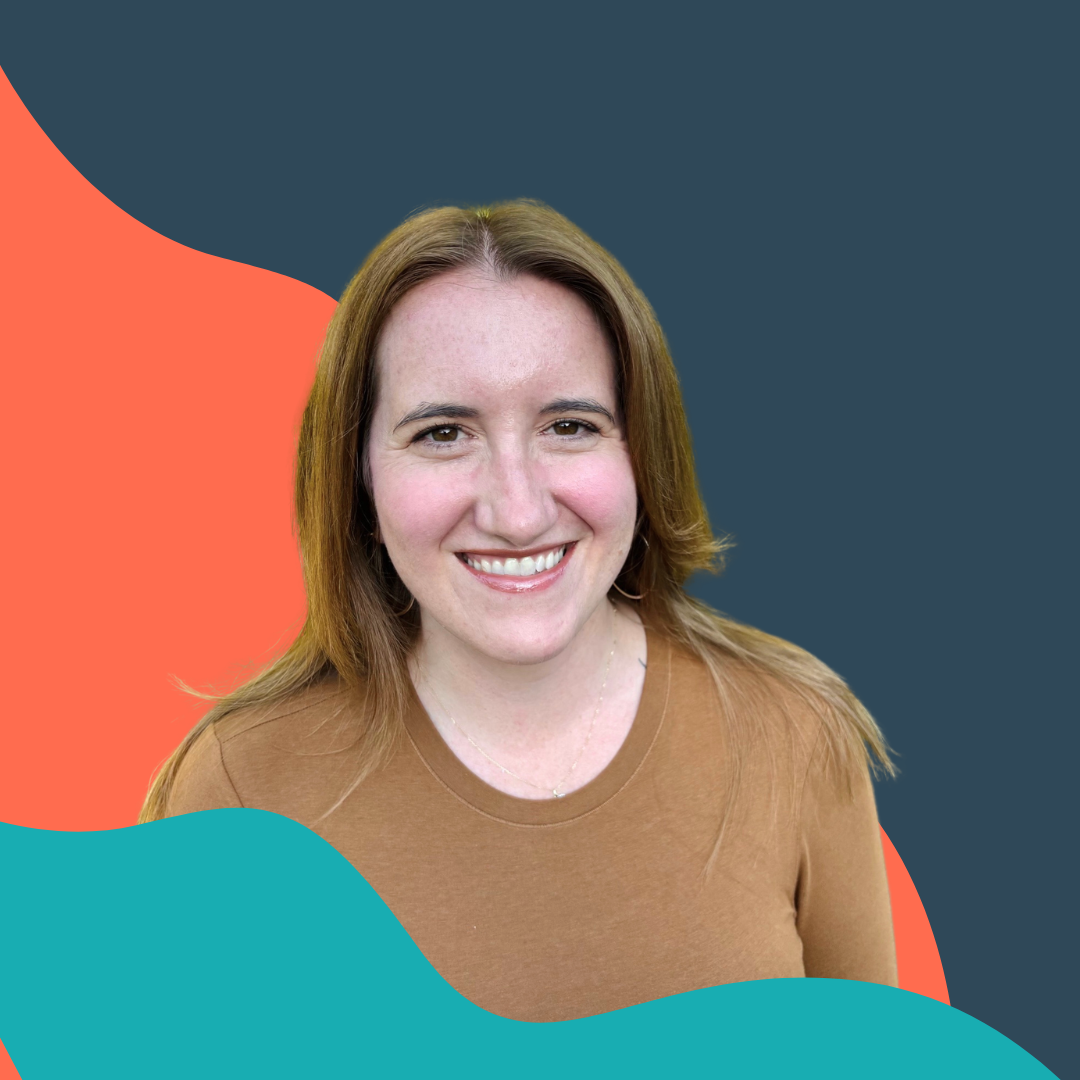
Colleen Kilbane
she/her
Systems (including familial, transgenerational, historically oppressive, intersectional identity frameworks); Cognitive Behavioral Therapies (CBT), including process-based; Somatic or body-based integration; Strengths-based; Narrative Therapy; Emotion Focused Therapy (EFT); Internal Family Systems (IFS); Mindfulness-based therapies; Feminist; Attachment-based.
Available intakes likely within 2 weeks
(Evenings Only)

Squirrel Hill + Telehealth

$20-80

My Specialties
Reproductive mental health issues (infertility; abortion; challenges across pregnancy; postpartum anxiety, OCD, depression, or other challenges; early parenting support)

Reproductive grief and loss
Reproductive Trauma (challenging birth, medical trauma, sexual trauma, intimate partner violence)
LGBTQIA2S+ support
Trauma
Neurodivergent support (please note our approach is generally therapeutic/acceptance-based, not coaching)
Adjustment, stress, transitions
Anxiety and mood symptoms
Grief and loss
A little more about me
Some fun facts Writing, yoga and time in nature with my children. Get to know me A little less
I enjoy yoga and meditation, and writing is one of my greatest passions. I love traveling in the western United States, particularly Idaho and Colorado. In my free time, I often spend time with my three children and connect with nature.
What working with me is like Room for your story, including the parts without words yet. Explore my approach A little less
I want our relationship to be a place where you can show up as you are. We can explore emotions, body awareness and creative expression, drawing on what feels meaningful to you. There is room to pause when words are difficult. I will work with you to understand your story and recognize the strengths you bring to it.
What matters to me Learning, compassion and attention to lived experience. Read my story A little less
I am a graduate student pursuing a master’s in clinical mental health counseling at Carlow University. My experiences as a solo parent mother, trauma survivor and spiritual person inform my perspective. I am interested in how identity, culture and history shape our lives, and in helping clients approach earlier versions of themselves with compassion. I continue to learn from the people and experiences I encounter.
Open a card to read more, at your own pace.

"On earth, everyone loved butterflies, but I trusted the caterpillars more. I trusted the ones who knew they were not done growing."
-- Andrea gibson "Encouraging someone to be entirely themselves is the loudest way to love them."
-- Kalen Dion The person behind the practice
Colleen, in her own words.
A few reflections on what brings me to this work and how I show up in therapy.
Growing with the experiences that shaped us
“Embracing past experiences and past versions of myself has helped me grow into the present moment.”
Colleen Kilbane (she/her)
Read my reflection Close reflection
Was there an experience, relationship or period in your life that changed how you understand healing and connection?
I see healing and connection as a life long process as we learn how to connect with ourselves and others. This for me has been an ever evolving journey as I grow forward with the knowledge of my past experiences and how they impact the person I am today. Embracing past experiences and past versions of myself has helped me grow into the present moment. Past experiences with grief and transition in particular have given me the ability to grow into the present through intentional healing and compassion for myself.
When sharing feels both scary and relieving
“being brave enough to be more vulnerable than you ever have before.”
Colleen Kilbane (she/her)
Read my reflection Close reflection
What might someone be carrying when they first come to you, even if they do not yet have the words for it?
I know that coming into the counseling space could mean sharing things about yourself that you have never shared with anyone. This could mean being brave enough to be more vulnerable than you ever have before. Clients can come to counseling with immense pain that they have carried their entire lives and the fear that they won't be accepted. Clients also could have lived through generational traumas and experiences with their identities being excluded and denied. I know that carrying all this can be heavy and meeting me for the first time can be scary and also relieving at the same time.
You don’t need to find the words immediately
“I will allow space for not knowing.”
Colleen Kilbane (she/her)
Read my reflection Close reflection
What do you do when someone does not know where to begin or what to say?
Sometimes in the counseling space as we begin to process our experiences, learn about our emotions, and come back into our body their may not be words to describe how we feel or what we our experiencing. I will allow space for not knowing. Sometimes we need to sit in this feeling and hold space for it so that we can acknowledge that it's ok to embrace our reactions and experience. Growth and healing don't always come from knowing, sometimes it comes from embracing ourselves and getting to know ourselves as we are without judgement and expectation.
Understanding what once kept you safe
“We were doing the best we could with what we had in that moment.”
Colleen Kilbane (she/her)
Read my reflection Close reflection
How do you help someone move away from asking, “What is wrong with me?” and toward understanding what they have adapted to or survived?
I come from a perspective that acknowledges that behaviors, thought patterns, and actions we took in the past may have protected us or even kept us alive. This things may be things we want to change however they do not define us or mean we were wrong. We were doing the best we could with what we had in that moment. Healing comes from embracing these parts of ourselves along the way, learning from them, and understanding how they protected us. Embracing these with compassion and understanding can be the first step in making change and healing forward.